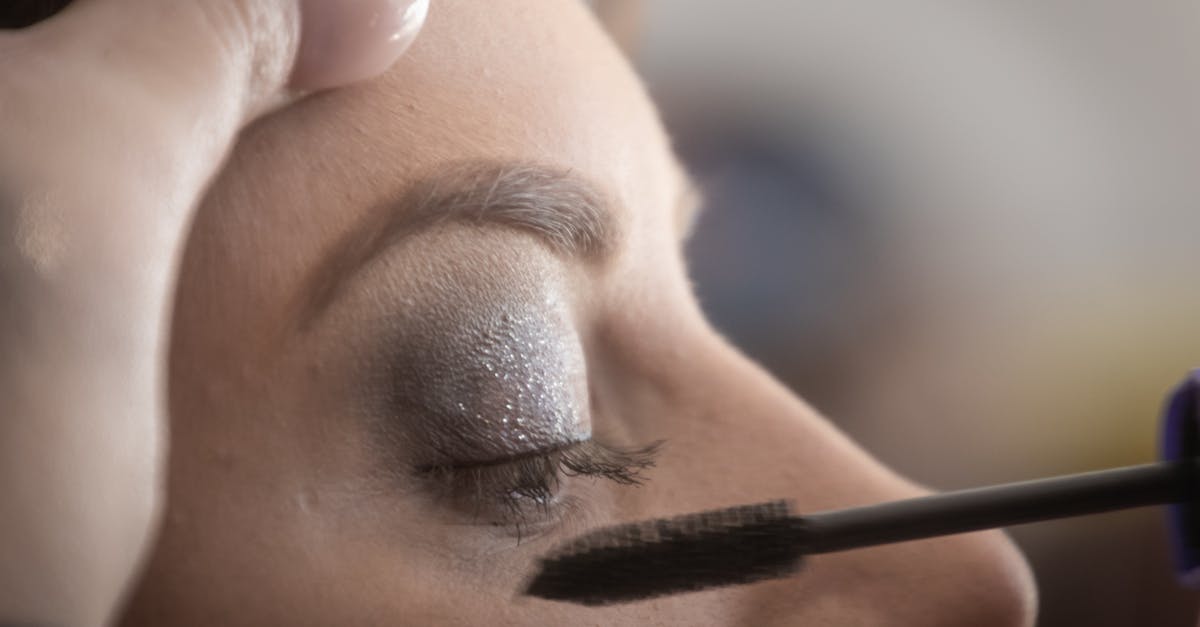
The halo eye is one of the most universally flattering looks in the eye makeup repertoire, which opens the eye, creates dimension, and photographs beautifully. Here’s a complete tutorial plus all the variations worth knowing.
What Makes a Halo Eye
A halo eye has three zones:
- Inner corner: A darker or muted shade that frames the inner edge of the eye
- Center lid: The brightest or most vibrant shade in the look, usually a shimmer, metallic, or high-pigment color
- Outer corner and crease: A deeper or darker shade that frames the outer edge and creates depth
The contrast between the bright center and the darker inner/outer corners creates a three-dimensional illusion: the center appears to project forward while the corners recede, making the eye look fuller and more round.
What You’ll Need
- Base matte shadow in a neutral shade (nude, taupe, or skin tone)
- Center shade: a shimmer, metallic, or bright-pigment shadow
- Corner shade: a deeper matte in the same color family or a complimentary tone
- Small flat shader brush (for precise center placement)
- Medium fluffy blending brush
- Fine-tipped brush or small brush for inner corner
Step-by-Step Tutorial
Step 1: Prime and set Apply eyeshadow primer to the entire lid and set with a fine translucent powder. This step is especially important for halo eye because the shimmer center needs a clean, dry base to adhere without migration.
Step 2: Apply base shadow Sweep a neutral matte shade across the entire lid from lash line to crease. This creates an even, harmonious base and prevents any skin unevenness from showing through the look.
Step 3: Deepen the outer corner and crease Using your medium fluffy brush, apply your darker corner shade to the outer third of the lid, the outer portion of the crease, and blend it softly into the crease across the middle of the lid (without going all the way to the inner corner). This is one side of the “frame.”
Step 4: Deepen the inner corner Using the same darker shade but with a smaller brush, apply it to the inner corner of the lid, roughly the inner quarter of the eye. The inner corner in a halo eye does not go as deep or dramatic as the outer corner; it should be softer and more blended.
Step 5: Apply the center shimmer Using your flat shader brush, press (don’t sweep) the center shimmer shade onto the middle third of the lid. The center should be the densest, most opaque application of the entire look. If your shimmer is a pressed powder, try pressing it on with slightly dampened brush for maximum impact.
Step 6: Blend the transitions Using a clean fluffy brush, soften any hard edges where the center shade meets the corner shades. The goal is a smooth gradient, you shouldn’t see an obvious line where one shade ends and another begins.
Step 7: Highlight the inner corner separately Take a very small brush and apply a tiny amount of your brightest shade (or a completely separate highlighter shade) to the very innermost point of the inner corner, right at the tear duct. This is the inner corner highlight that makes halo eyes look extra bright and awake.
Step 8: Apply liner and mascara Halo eyes work with or without liner. For a clean, open look: skip liner or apply only at the waterline. For more drama: thin liner on the upper lash line with a small flick. Mascara on upper lashes, lighter on lower.
Color Combinations to Try
| Center (Halo) | Corners | Vibe |
|---|---|---|
| Gold shimmer | Deep warm brown | Classic, versatile, everyday |
| Rose gold | Soft plum | Romantic, feminine |
| White pearl | Navy blue | Bold, editorial, winter |
| Champagne satin | Dark charcoal | Smoky but open |
| Bright copper | Dark brick red | Warm, rich, autumn |
| Bright green | Dark forest green | Monochromatic editorial |
| Lavender shimmer | Deep purple | Evening drama |
Variations by Eye Shape
Round eyes: Halo eye works beautifully but can make round eyes look even rounder. To adjust: extend the outer corner shade slightly beyond the outer corner to elongate the eye before applying the center shimmer.
Almond eyes: This is the most straightforward eye shape for a halo, follow the tutorial as written, the three zones align naturally.
Hooded eyes: Apply everything slightly higher than feels right with your eyes closed; you need the color above the hood to be visible when your eyes are open. Use a lighter center shade to reflect light on the mobile lid.
Monolid eyes: The halo effect is still achievable, use the center shimmer on the lower portion of the lid near the lash line, and the deeper shades above and to the sides.
Small or close-set eyes: Use a lighter center shade than you think you need, and deepen only the outer corner more dramatically than the inner corner. This widens the appearance of the eye.
Common Mistakes to Avoid
Too much center shade: The halo works because of contrast. If the center shade is applied too far into the corners, the contrast is lost. Keep the center zone to the middle third of the lid.
Matching center and corner tones: If both the center and corner shades are warm-toned matte browns, the halo effect disappears. The center shade needs to be distinctly lighter, brighter, or shinier than the corners.
Skipping primer: Shimmer center shades are especially prone to migration without primer. This is not a look you can skip primer for.
Choosing the Right Product for Your Needs
When exploring eye makeup, selecting the perfect product relies heavily on understanding your skin type, undertones, and daily routine. To achieve the most flattering look, always prioritize formulas that work with your unique biology rather than against it.
Understanding Skin Types and Formulas
If you have oily eyelids, powder eyeshadows and waterproof liquid liners will be your best defense against midday creasing and smudging. For those with mature or dry skin, cream shadows and hydrating concealers offer a youthful, radiant finish that won’t settle into fine lines. Always start with a high-quality eye primer to ensure whatever formula you choose locks in place for 12+ hours. Also, applying setting powder lightly over the lids before packing on color can absorb excess sebum throughout the day, significantly extending the life of your look.
The Role of Undertones
Matching your makeup to your undertone is crucial. If you have cool undertones (veins appear blue/purple), reach for icy silvers, cool taupes, and berry hues. If your undertones are warm (veins appear green), gold, peach, bronze, and warm terracotta shades will make your eyes pop. Neutral undertones have the flexibility to wear almost any shade on the color wheel. Remember that contrasting colors on the color wheel create the most dramatic impact; for example, warm copper tones will make blue eyes appear vividly bright, while violet hues beautifully enhance green eyes or hazel eyes.
Proper Removal and Eye Health
The most important step of any makeup routine is removing it. Sleeping in eye makeup can lead to clogged hair follicles, lash loss, and severe eye infections like styes. Use a dedicated, gentle bi-phase makeup remover on a cotton pad, holding it over the closed eye for 10 seconds to dissolve waterproof bonds before gently wiping away. Never violently scrub the delicate skin around the eyes, as this accelerates premature aging and wrinkle formation. After removal, applying a hydrating, peptide-rich eye cream will restore the moisture barrier stripped away by cleansing surfactants, promoting healthy lash growth and a smoother canvas for the next day’s application.
Sources
- Brown, Bobbi. Bobbi Brown Makeup Manual. Grand Central, 2008, halo and inner corner highlight techniques
- PopSugar. (2025). “How to Do the Perfect Halo Eye Makeup for Every Eye Shape.” popsugar.com.
Related Guides
Get weekly eye care & beauty tips
Guides from the Eyeshadow Looks Beauty Desk. No spam, ever.
Frequently Asked Questions
What is a halo eye look?
A halo eye places a bright, often shimmery shade in the center of the lid and blends darker, deeper shades at both the inner and outer corners. The result is a 3D effect that makes the eye look rounder and more luminous, as if light is emanating from the center.
Is the halo eye good for small eyes?
Yes, the halo eye is one of the best looks for small or close-set eyes because the bright center and lighter inner corner create the illusion of a wider, more open eye. The dark outer corner adds depth without visually shrinking the eye the way a fully dark lid would.
What colors work for halo eye?
Any color can work as the center halo shade, the key is that it's noticeably lighter or brighter than the corners. Classic choices: gold or champagne center with deep brown sides, pink shimmer center with dark plum sides, white pearl center with navy sides. The contrast between center and corners is what creates the halo effect.