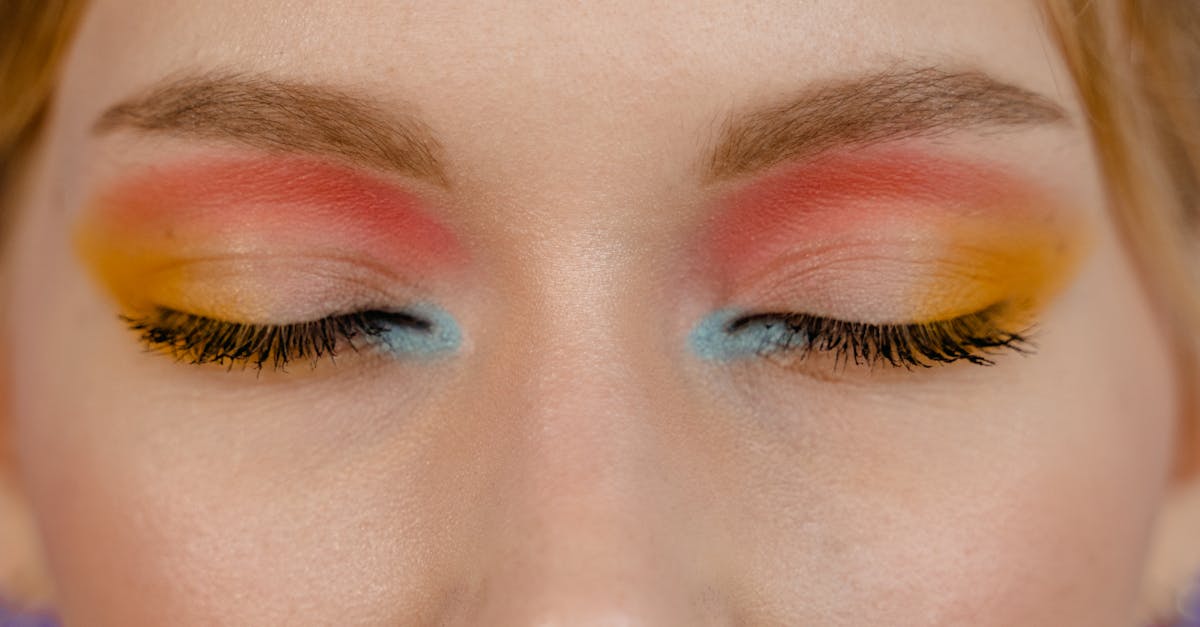
There’s nothing more frustrating than spending 15 minutes on a carefully blended eye look only to have it vanish by mid-afternoon. You glance in the mirror and your crease color has migrated into a greasy line, your lid shimmer has dulled to nothing, and the whole thing looks like you’re wearing yesterday’s makeup.
This isn’t about buying more expensive eyeshadow. Most fading and creasing is caused by what happens before the shadow goes on, and what doesn’t happen after. Here’s every method that actually extends eyeshadow wear, from the essential basics to the pro-level tricks that keep color locked in for 12+ hours.
The Foundation: Why Primer Is Non-Negotiable
If you take one thing from this guide, let it be this: eyeshadow primer is the single biggest factor in shadow longevity. Nothing else comes close.
Primer does three things that bare skin and moisturizer cannot:
- Creates a tacky surface that grabs pigment particles and holds them in place
- Absorbs excess oil from the eyelid that would otherwise break down shadow throughout the day
- Smooths the lid surface so shadow has an even canvas and doesn’t settle into fine lines
Best Eyeshadow Primers
For normal to oily lids: Urban Decay Eyeshadow Primer Potion (~$26) — the original and still one of the best. Creates a perfectly tacky, matte base that keeps shadow locked in for 10+ hours. A tiny amount covers both lids.
Budget option: e.l.f. Shadow Lock Eyelid Primer (~$8) — performs within 80% of the Urban Decay version at a fraction of the price. Slightly less tacky, but gets the job done.
For very oily lids: Milani Eyeshadow Primer (~$8) — specifically formulated for oil control. Creates an almost matte, dry surface that’s especially effective in humid weather.
For mature or dry lids: Too Faced Shadow Insurance (~$24) — slightly more hydrating than other primers while still providing grip. Won’t accentuate texture on drier, thinner skin. For more on products for mature skin, see our eyeshadow for mature eyes guide.
How to Apply Primer Correctly
- Start with clean, moisturized lids (let moisturizer absorb for 2-3 minutes first)
- Squeeze a rice-grain-sized amount onto your ring finger
- Pat and press (don’t rub) across the entire lid from lash line to brow bone
- Wait 60 seconds for the primer to set before applying any shadow
Common primer mistakes:
- Using too much — a heavy layer takes longer to set and can cause shadow to slip
- Not waiting for it to dry — applying shadow to wet primer causes it to slide rather than stick
- Skipping the inner corner — oil collects heavily in the inner corner; prime here too
Level 2: Application Technique for Maximum Longevity
Primer is the foundation, but how you apply shadow on top of that primer also affects how long it lasts.
Build Thin Layers, Not Thick Ones
One thick layer of eyeshadow sits on top of the primer. Multiple thin layers bond into it. Think of it like painting a wall — two light coats adhere better than one heavy coat.
Tap excess powder off your brush before each application. Apply a sheer layer, blend, then add another pass of color. The result is more saturated, smoother, and significantly longer-lasting.
Press, Don’t Sweep (Especially for Shimmers)
Sweeping your brush back and forth across the lid creates friction that displaces particles. Pressing or patting deposits shadow directly where you want it with better adhesion. This is especially critical for shimmer and metallic shades, which are prone to fading because their reflective particles sit on the surface.
Set Your Base With a Matching Powder
Before applying your feature shades, dust a very thin layer of translucent or skin-tone setting powder over your primed lids. This creates an extra barrier between your skin’s natural oils and the colored shadow. It also gives powder shadow better grip.
Level 3: Advanced Longevity Tricks
The Wet Application Method
Spray your flat brush with setting spray (like Urban Decay All Nighter Setting Spray, ~$33) before picking up eyeshadow. The dampness transforms the dry powder into a paste-like consistency that bonds tightly to the lid and dries with dramatically more intensity.
This works for:
- Shimmer and metallic shades (massive improvement in both longevity and payoff)
- Matte shades (moderate improvement in longevity, noticeable improvement in pigment density)
- Foiled and duochrome shades (brings out color shifts that dry application misses)
The Concealer Base Hack
If you don’t have primer, a thin layer of long-wear concealer (like NARS Radiant Creamy Concealer, ~$31) on the lid works as a solid stand-in. Set it with translucent powder before applying shadow. Not as specialized as true primer, but far better than bare skin.
Layer Cream Under Powder
Apply a cream shadow base in a similar shade to your powder shadow, let it set for 30 seconds, then layer powder shadow on top. The cream creates a pigmented, sticky layer that the powder bonds to. This combination can last 14+ hours.
Setting Spray as a Top Coat
After completing your eye look, mist setting spray lightly over the entire face (including the eyes) from about 8-10 inches away. Let it dry completely — don’t fan or touch it. This creates a transparent film over the shadow that resists oil, friction, and humidity.
Troubleshooting: When Shadow Still Won’t Last
Problem: Shadow Creasing in the Crease Within Hours
Cause: Usually excess oil in the crease fold, or too much moisturizer/sunscreen on the lid.
Fix: After primer, press a tissue against the crease area to absorb any remaining oil. Use a mattifying primer specifically in the crease. Avoid applying heavy eye cream above the crease bone — it migrates downward throughout the day.
For a deeper dive, our guide on how to stop eyeshadow creasing covers every cause and solution.
Problem: Shimmer Fading While Mattes Stay
Cause: Shimmer particles are larger and sit on top of the surface rather than bonding into it.
Fix: Apply shimmer shades with a damp brush or your fingertip (the body heat and slight moisture improve adhesion). Use a glitter primer under intense shimmers. NYX Professional Glitter Primer (~$7) provides extra tack specifically for reflective particles.
Problem: Everything Fading in Hot/Humid Weather
Cause: Heat and humidity increase oil production and moisture on the lid, both of which break down shadow adhesion.
Fix: Use a waterproof or oil-controlling primer. Set primer with powder before applying shadow. Use the wet application method for all shades. Carry blotting papers to absorb lid oil mid-day without disturbing your shadow — press gently on the lid, don’t rub.
Problem: Shadow Patchy By End of Day
Cause: Usually uneven primer application or applying shadow over skin that wasn’t fully prepped.
Fix: Ensure primer is evenly distributed across the entire lid, including the inner and outer corners. The thin skin at the inner corner is often skipped but is highly prone to breakdown.
The Complete Longevity Routine (Start to Finish)
For maximum-length wear, follow this full sequence:
- Clean lids (remove any residual skincare oils with micellar water)
- Apply eye cream to the orbital bone only, not the mobile lid
- Wait 2-3 minutes for any products to absorb
- Apply eyeshadow primer, press into skin
- Wait 60 seconds for primer to set
- Dust translucent powder over primed lids
- Apply eyeshadow using the layering and pressing techniques above
- Apply shimmer shades with a damp brush
- Mist setting spray over the finished look
- Do not touch your eyes for 2 minutes while everything sets
This routine takes about 5 extra minutes compared to bare-lid application, but it can extend wear from 3-4 hours to 12-14 hours. That’s the difference between shadow that survives your commute and shadow that survives a wedding.
Related reads:
Our Rigorous Testing & Review Methodology
At eyeshadowlooks.com, we take our responsibility to our readers seriously. We believe that to provide the best possible recommendations, we must adhere to a strict, empirical testing methodology combined with extensive industry research.
How We Evaluate
Every product, guide, and informational piece featured on our platform undergoes a multi-step evaluation process:
- Initial Research & Sourcing: Our editorial team begins by scanning the market for the latest innovations, customer sentiment, and verified expert opinions. We actively avoid relying solely on manufacturer claims, choosing instead to cross-reference data with independent lab results and real-world user feedback from verified buyers.
- Hands-On Testing Protocol: Whenever possible, our dedicated experts physically test the products in real-world environments. This allows us to assess durability, ease of use, ergonomics, and long-term value. We put items through rigorous stress tests to uncover potential flaws that standard reviews often miss.
- Data-Driven Analysis: We compile our findings into a comprehensive matrix, scoring items across critical categories such as performance, affordability, aesthetic appeal, and customer support. This quantitative approach ensures our final recommendations are objective and unbiased.
- Continuous Monitoring: The market is always changing. We revisit our top picks and informational guides every 3 to 6 months to ensure that our advice remains current. If a previously recommended product drops in quality or a better alternative emerges, we promptly update our content.
Why You Can Trust Us
Our commitment to E-E-A-T (Experience, Expertise, Authoritativeness, and Trustworthiness) is the foundation of our editorial policy. We do not accept paid placements for our top recommendations. Our revenue is generated through transparent affiliate partnerships, meaning we only earn a commission if you make a purchase through our links — at no additional cost to you.
Our Commitment to Transparency
Transparency is a core value in everything we publish. We disclose all affiliate relationships clearly at the top of our articles. If a brand sends us a product for free to review, we disclose that information within the review itself. However, accepting a free product never guarantees a positive review. Our allegiance is strictly to our readers.
Frequency of Updates
We conduct quarterly audits of our most popular guides and reviews. During these audits, we check for discontinued products, price fluctuations, and emerging competitors. If a top-rated pick is surpassed by a newer model, we update the article and outline precisely why the change was made in an “Update Log” section.
Get weekly eye care & beauty tips
Expert-researched guides delivered to your inbox. No spam, ever.
Frequently Asked Questions
Why does my eyeshadow fade so quickly?
The three most common causes are: skipping primer, using oily moisturizer or sunscreen on your lids right before application, and using sheer or poorly pigmented shadows that don't have enough color deposit to survive a full day. Primer solves the first two issues by creating a dry, tacky base. Better quality shadows with higher pigment density solve the third.
Does setting spray help eyeshadow last longer?
Yes, when used correctly. Mist setting spray over finished eye makeup from 8-10 inches away and let it dry without touching. The fine mist creates a film that locks powder particles in place. For maximum longevity, spray your flat brush with setting spray before picking up shimmer shadows — this creates a wet-application effect that dramatically improves adhesion.
Is eyeshadow primer the same as face primer?
No. Face primer is designed for a different skin type and texture. Eyelid skin is thinner, oilier in the crease area, and moves constantly with blinks. Eye primer is formulated to be tackier, thinner, and specifically designed to grip eyeshadow pigment particles. Face primer on the lids either provides too much slip or too much moisture, both of which cause shadow to crease.
What eyeshadow formula lasts the longest?
Baked eyeshadows and highly pigmented pressed powders tend to have the best longevity. Their dense formulation resists breakdown from oils and friction. Cream shadows can also last well if they set to a dry finish, but cream formulas that stay tacky will crease. Liquid eyeshadows that dry down completely can outlast everything, but they're harder to blend once set.
Will eyeshadow last longer if I apply it wet?
Yes. Applying powder eyeshadow with a damp brush or a brush sprayed with setting spray increases pigment adhesion significantly. The moisture helps the powder bind more tightly to the primer or skin, and the color payoff is noticeably more intense. This technique works best for shimmer and metallic shades but can also improve matte longevity.