
We’ve all experienced that heavy, droopy-eyed feeling after a long day. Tired eyes (also called asthenopia or eye fatigue) are incredibly common in our screen-heavy world, but they don’t have to be your norm. Here’s what causes them and exactly how to fix it.
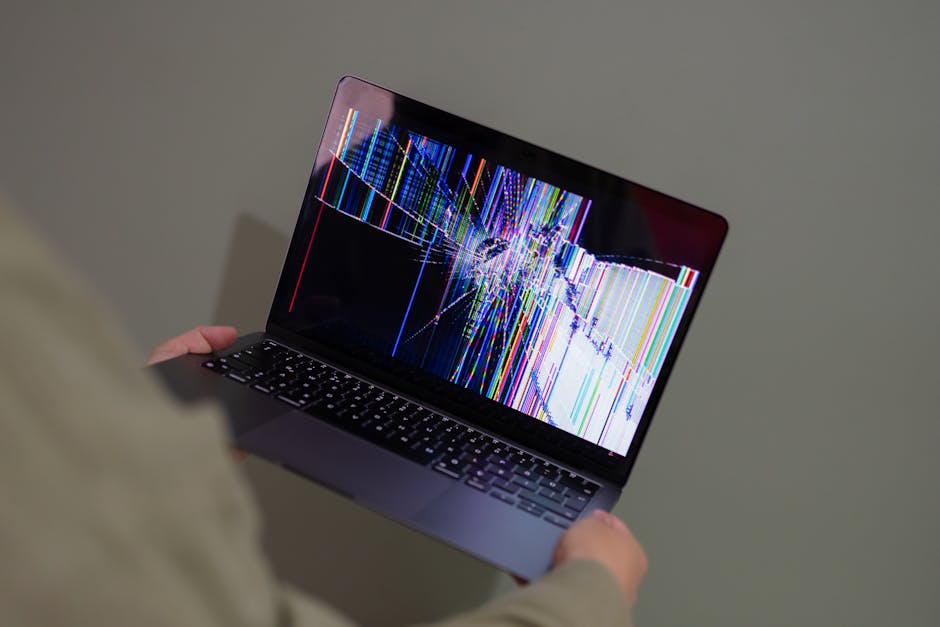
Common Causes of Tired Eyes
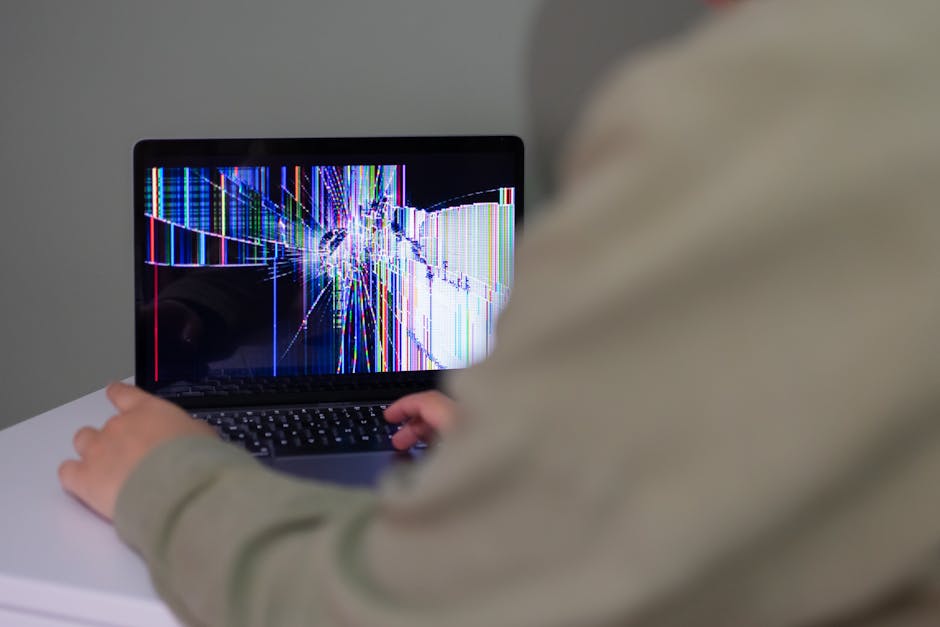
Digital Eye Strain (Computer Vision Syndrome)
The average person spends over 7 hours a day looking at screens. This leads to reduced blinking (your blink rate drops by up to 66% when using devices), dry eyes, and muscle fatigue from constant close focusing. The American Optometric Association recognizes this as “Computer Vision Syndrome”, a legitimate condition affecting up to 90% of people who use computers for extended periods.
Key symptoms: Dry, gritty-feeling eyes, blurred vision ultimately, headaches behind the eyes, difficulty switching focus between screen and distance.
Insufficient Sleep
Your eyes need rest to recover from daily strain. During sleep, your eyes are continuously lubricated and cleared of irritants like dust and allergens that accumulated during the day. Sleep deprivation also reduces tear production, making eyes feel sandpaper-dry the next morning.
Poor Lighting
Working in dim lighting or dealing with harsh glare forces your eye muscles to work harder, leading to faster fatigue. Overhead fluorescent lighting is a common culprit, it creates constant micro-adjustments in your pupils.
Allergies and Environmental Irritants
Allergic reactions cause eye itching, watering, and swelling, all of which contribute to that tired, puffy appearance. Air conditioning, heating systems, and dry climates can also strip moisture from the eye surface.
Uncorrected Vision Problems
An outdated prescription or undiagnosed vision issues (like astigmatism or farsightedness) force your eye muscles to constantly compensate, accelerating fatigue. If you get tired eyes mainly when reading or using screens, it’s worth getting an up-to-date eye exam.

Quick Solutions for Tired Eyes
The 20-20-20 Rule
Every 20 minutes, look at something 20 feet away for at least 20 seconds. This simple practice relaxes the focusing muscles inside your eyes. Set a timer if needed, most people drastically underestimate how long they go without looking away from their screen.
Cold Compress Technique
- Soak a clean washcloth in cold water (or use refrigerated eye masks)
- Wring out excess water
- Fold and place over closed eyes
- Relax for 5-10 minutes
Why it works: Cold constricts blood vessels, reducing puffiness and inflammation. It also stimulates circulation when removed, giving eyes a refreshed appearance.
Conscious Blinking
When focusing on screens, consciously practice “complete blinks”, fully closing your eyelids and squeezing gently for a moment before reopening. Try doing 10 complete blinks every 20 minutes. This forces your tear film to redistribute, combating the dryness that drives eye fatigue.
Eye Exercises
- Palming, Rub your hands together until warm, then gently cup them over your closed eyes for 30 seconds. The darkness and warmth relax both the eye muscles and the optic nerve.
- Eye rolling, Slowly roll your eyes clockwise, then counterclockwise, 5 times each direction. This exercises the six muscles controlling eye movement.
- Focus shifting, Hold your thumb 10 inches from your face, focus on it for 15 seconds, then shift focus to something 20 feet away for 15 seconds. Repeat 5 times. This “exercises” the focusing muscle (ciliary muscle) that gets locked in one position during screen use.
- Figure 8, Imagine a large figure 8 on the floor about 10 feet away. Trace it slowly with your eyes for 30 seconds, then reverse direction.
Optimize Your Workspace
- Position your monitor 20-26 inches from your eyes
- Keep the top of the screen at or slightly below eye level to reduce the exposed area of your eye surface
- Reduce screen brightness to match surrounding ambient light
- Use blue light filtering settings after sunset (built into most operating systems now)
- Increase text size, even slightly larger text reduces strain significantly
- Place a small humidifier near your desk if your office is dry
Lubricating Eye Drops
Artificial tears can provide immediate relief for dry, tired eyes. Choose preservative-free drops for frequent use. Apply 1-2 drops per eye when you first notice dryness or fatigue, don’t wait until your eyes are burning.
Long-Term Prevention
- Get regular eye exams, at least every 2 years, annually if you work on screens daily
- Maintain proper hydration, dehydration directly reduces tear production
- Eat omega-3-rich foods, salmon, walnuts, and flaxseed support tear film quality
- Sleep 7-9 hours on a consistent schedule
- Wear sunglasses outdoors, UV exposure contributes to cumulative eye fatigue
- Consider computer glasses, even if you don’t need a prescription, computer-specific lenses with a slight magnification and anti-reflective coating can reduce strain
When to See an Eye Doctor
Visit an optometrist or ophthalmologist if you experience:
- Persistent eye strain lasting more than a few days despite rest
- Blurred or double vision
- Severe headaches associated with eye use
- Noticeable change in vision quality
- Pain in or around the eyes
- Redness that doesn’t resolve with drops or rest
If tired eyes come with visible puffiness, read our eye bags guide. Dark circles from fatigue respond well to the strategies in our natural remedies guide.
Sources
- American Academy of Ophthalmology. (2024). “Computers, digital devices, and eye strain.”
- Sheppard, A. L. & Wolffsohn, J. S. (2018). “Digital eye strain: prevalence, measurement and amelioration.” BMJ Open Ophthalmology, 3(1), e000146.
- National Eye Institute. (2024). “Simple tips for healthy eyes.”
Related Guides
Get weekly eye care & beauty tips
Guides from the Eyeshadow Looks Beauty Desk. No spam, ever.
Frequently Asked Questions
How do I get rid of tired-looking eyes fast?
For a quick fix, use a peach or salmon color corrector to neutralize dark circles, apply a brightening under-eye concealer, and sweep a light, shimmering eyeshadow across the inner corners of your eyes to instantly wake up your face.
What color eyeshadow is best for tired eyes?
Warm, soft tones like peach, bronze, and rose gold are excellent for brightening the eye area. Avoid dark, heavy eyeshadows which can make eyes look droopy, and instead use a light, shimmery shade on the center of the lid and inner corner.
How can I stop my concealer from creasing under tired eyes?
To prevent creasing, start with a hydrating eye cream, apply a thin layer of eye primer, use a minimal amount of liquid concealer, and gently set it with a finely milled translucent setting powder.
Related Articles
 causes
 Dark Circles Under Eyes: The Complete Guide to Causes and Treatments
Read Guide arrow_right_alt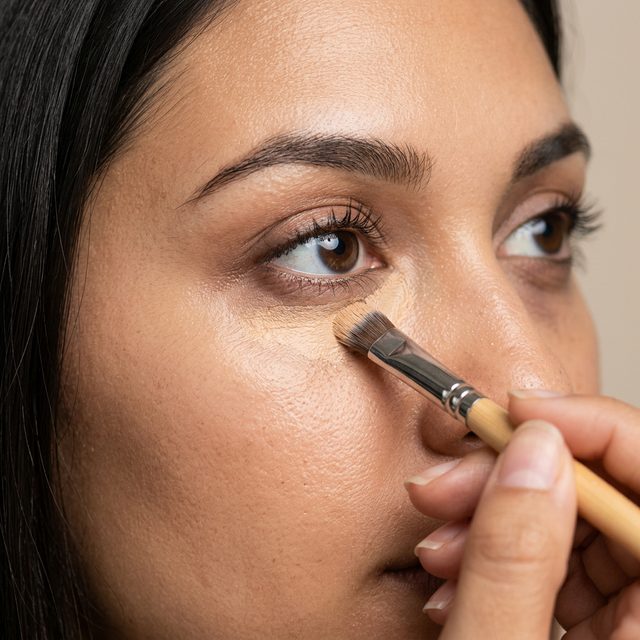 tutorials
 Under Eye Concealer Guide: How to Cancel Dark Circles and Brighten Eyes
Read Guide arrow_right_alt remedies
 How to Get Rid of Eye Bags: What Actually Works
Read Guide arrow_right_alt causes
 Dark Circles Under Eyes: Causes, Types, and Treatments That Match Your Type
Read Guide arrow_right_alt remedies
 How to Get Rid of Dark Circles: A Realistic Guide to Causes, Skincare, & Makeup
Read Guide arrow_right_alt remedies